

Sean Brown
Photographer and travel blogger @ DESTINATIONS UNKNOWN
Who is Sean Brown
Join Sean Brown on his endless voyage of discovery, where each chapter unfolds as a tribute to our planet's boundless beauty and diversity. Through DESTINATIONS UNKNOWN, Sean's travel blog, he immortalizes the enchanting moments he encounters, encouraging us all to step out of our comfort zones and embrace the magic that awaits beyond the horizon. As Sean unravels the world's mysteries, his journey becomes an endless source of inspiration for fellow wanderers and dreamers alike.
So pack your bags, and let Sean be your guiding light as you embark on your extraordinary adventures. After all, in a world full of unknown destinations, the journey becomes the ultimate destination.
Travel by the numbers
CONTINENTS EXPLORED
6
COUNTRIES EXPLORED
48
DESTINATIONS VISITED
107
BIOGRAPHY OF Sean Brown
Welcome to the captivating world of travel, where every step leads to discoveries and every destination holds untold stories. Meet Sean Brown, an intrepid explorer, and prolific travel blogger who has made it his life's mission to unravel the world's mysteries. Through his awe-inspiring blog DESTINATIONS UNKNOWN, Sean takes us on a remarkable voyage across the globe, inviting us to join him on a quest for the extraordinary and the unknown.
Wanderlust Ignited
Sean's wanderlust was sparked at a young age when he flipped through the pages of National Geographic magazines and dreamt of the exotic places they depicted. Raised with a profound appreciation for the wonders of nature, he found solace in the great outdoors, which later evolved into a genuine desire to explore the world. Fuelled by curiosity, Sean set out to follow the call of distant lands and immerse himself in diverse cultures.
The First Odyssey
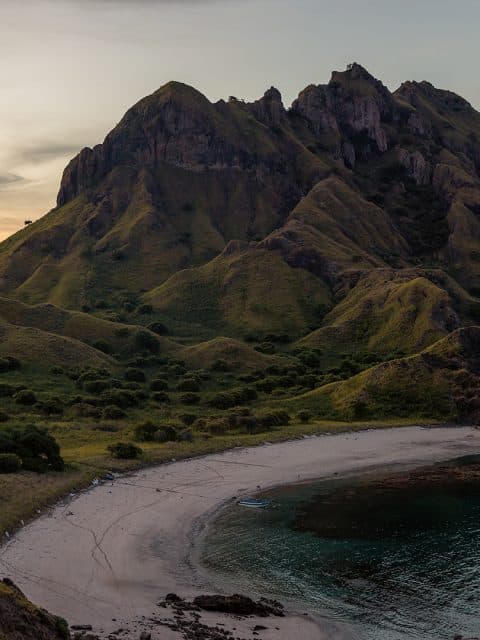
In his early twenties, Sean embarked on his first solo adventure through Southeast Asia. It was a transformative journey that opened his eyes to the enchanting tapestry of landscapes and cultures that awaited him. From trekking to an actively erupting volcano to sailing across pristine islands, Sean's heart became entwined with the beauty of the planet. Inspired by the immersive experiences and a newfound sense of purpose, he chronicled his travels on the blog DESTINATIONS UNKNOWN.
Embracing the Unknown
Sean's travel philosophy was simple yet profound: to embrace the unknown with open arms. From the stunning landscapes of Iceland to the serene temples of Indonesia, he navigated the globe with humility and an insatiable thirst for knowledge. Through his heartfelt storytelling and breathtaking photography, he offered readers a window into the untamed beauty of destinations that often lay unexplored.
Sustainable Travel Advocate
As Sean's passion for travel deepened, so did his commitment to preserving the places that had stolen his heart. He recognized the need for responsible tourism and became a vocal advocate for sustainable travel practices. His blog shared insights on eco-friendly initiatives, supporting local communities, and preserving fragile ecosystems, inspiring his readers to be mindful travelers.
Overcoming Challenges
Not all adventures were smooth sailing. Sean confronted various challenges during his travels, from language barriers to navigating unfamiliar terrains. However, he viewed these obstacles as opportunities for growth and learning. Through transparency, he encouraged others to embrace challenges and view them as stepping stones to personal evolution.
Making Connections
Beyond the breathtaking landscapes and historical landmarks, Sean found that the true essence of travel lies in connecting with people from diverse backgrounds. From sharing meals with locals to participating in traditional ceremonies, he built lasting friendships across continents, further enriching his travel experiences.
A Global Community Through DESTINATIONS UNKNOWN
Sean created a vibrant global community of like-minded explorers and travel enthusiasts. The blog became a melting pot of stories, advice, and wanderlust, bridging cultures and inspiring readers to embark on extraordinary journeys.